HSIE Teachers - HSC Geography: Ecosystems at risk
  • Home
    • Assessment
    • Assessment 1 Scaffold
    • Extended Responses
  • Ecosystem Management
    • Biophysical Interactions >
      • Biophysical Interactions extended response
    • Vulnerability and Resilience >
      • Environmental stress extended response
    • Importance of management and protection >
      • Ecosystems Research task
    • Evaluation of management strategies >
      • Evaluating management strategies
      • Evaluating - sample
      • Evaluating - scaffold
    • Mini case studies
    • Ecosystems - ESL Support
  • Tundra
    • Tundra - spatial patterns - analysing photos and maps >
      • Tundra glossary
      • Tundra - Virtual fieldwork
    • Tundra - Biophysical interactions >
      • Tundra - Churchill biophysical interactions
      • Skills: Climate graphs
    • Nature and Rate of Change >
      • Tundra - Climate Change Infographic
    • Human Impacts >
      • Tundra - Cause and Effect
      • Tundra Connections
    • Tundra - Management >
      • Evaluating Management Strategies
      • Tundra - radio collar tracking
  • Intertidal Wetlands
    • Case Studies >
      • Towra Point
      • Homebush Bay
    • Spatial patterns
    • Biophysical Interactions >
      • Weather and climate
      • Geomorphic and hydrological processes
      • Biogeographical processes
      • Adjustments to natural stress
      • Homebush Bay - Biophysical Interactions
    • Nature and rate of change
    • Human impacts >
      • Towra Point - Human Impacts
      • Towra Point - Human impacts activity
      • Homebush Bay - Human Impacts
    • Management practices >
      • Towra Point - Management Strategies
      • Homebush Bay - Management Strategies
    • Intertidal Wetlands Revision Questions
    • Intertidal Wetlands - Fieldwork >
      • Towra Point excursion
  • Coral Reefs
    • Spatial patterns
    • Biophysical Interactions >
      • Weather and climate
      • Geomorphic and hydrological processes
      • Biogeographical processes
      • Adjustments to natural stress
      • Coral Reef Triangle
    • Nature and rate of change
    • Human Impacts >
      • Coral Triangle - Human Impacts
      • Great Barrier Reef - Human Impacts
    • Management practices >
      • Traditional Management Practices
      • Coral Triangle - Management
      • Great Barrier Reef - Management Strategies
    • Coral Reefs - Fieldwork >
      • Coral Triangle - fieldwork
      • Fieldwork - Lizard Island Virtual Fieldsite.
      • Great Barrier Reef excursion
  • HSIETeachers

Case study: Coral Reefs

Your browser does not support viewing this document. Click here to download the document.
•Coral Reefs support a large number of plants and animals.
•Coral Reefs are built by millions of tiny animals called polyps.
•Some coral polyp species receive more than 60% of their food from algae.
•Each coral colony begins life as a single polyp, which then reproduces itself as a single polyp, which then reproduces itself by budding or by dividing. 


Types of coral reefs
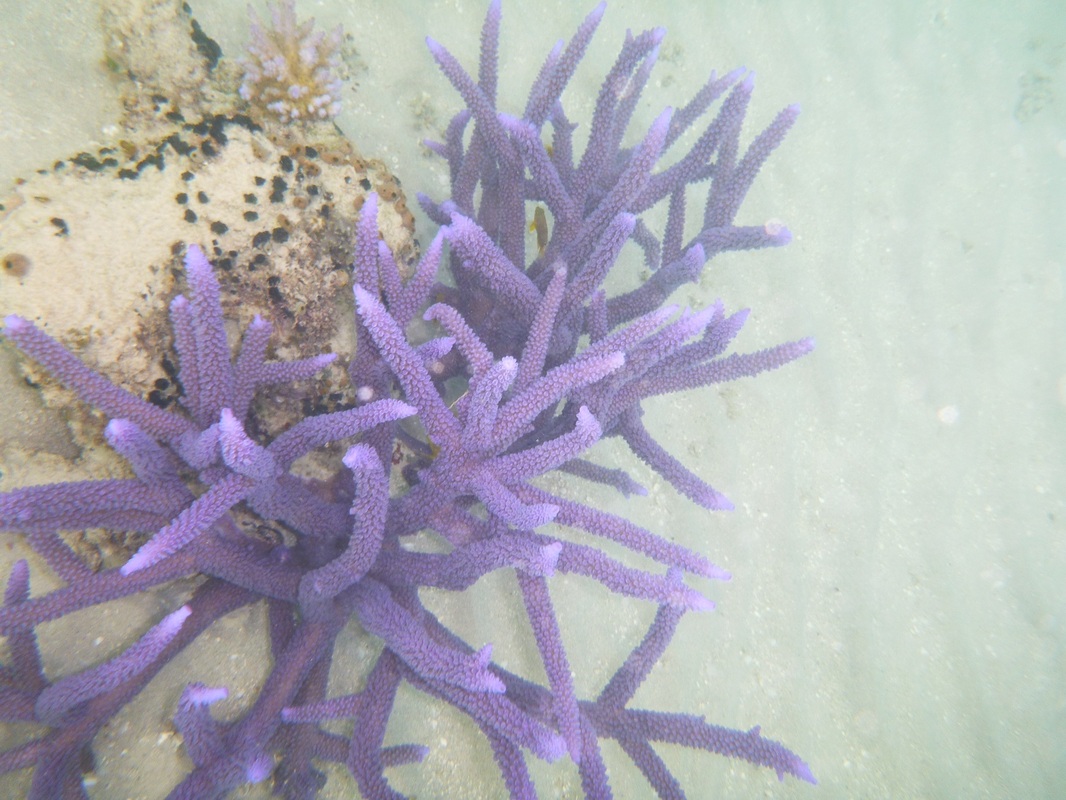
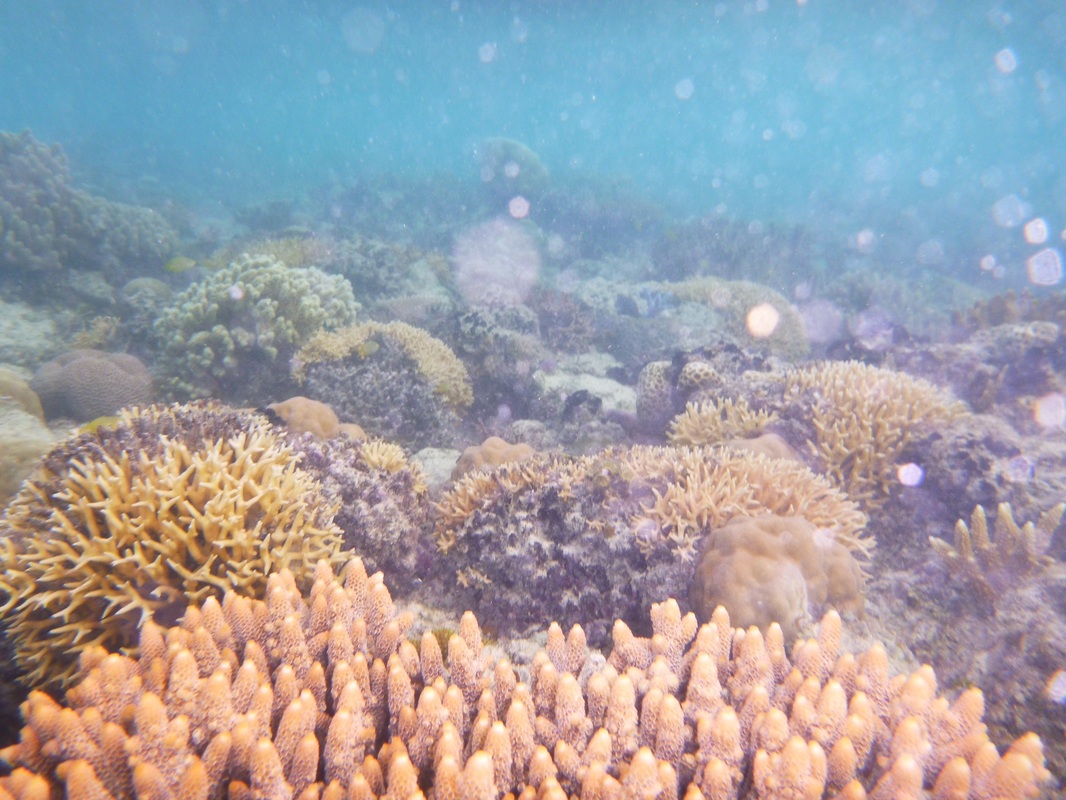
There are eight main categories of corals: branching, corals with meandering ridges and valleys, massive or thick colonies, thin plates and crusts, solitary/isolated/free-living corals, coral with large, daytime expanded polyps, column corals and blue/fir/organ pipe/lace corals. Some examples of coral are found below:

Websites

Some great info and resources for diving and the great barrier reef http://bit.ly/mceLT 
Introducing the Ocean Health Index http://goo.gl/Zj7Wd   
Great Barrier Reef teaching resource.http://lrrpublic.cli.det.nsw.edu.au/lrrSecure/Sites/LRRView/13780/ … 
Skin Cancer Found In Great Barrier Reef Fish http://ow.ly/cKX5F  
Listen: Dr McGrath - Conflict of interest over Great Barrier Reef development approvals http://ow.ly/c5WmV  
"The speed by which the oceans' acid levels has risen caught scientists off-guard"- #icrs2012http://www.guardian.co.uk/environment/2012/jul/09/acid-threat-coral-reef?INTCMP=SRCH … 
A world without coral reefs http://nyti.ms/NoMH6P 


Picture
Picture
Powered by Create your own unique website with customizable templates.
  • Home
    • Assessment
    • Assessment 1 Scaffold
    • Extended Responses
  • Ecosystem Management
    • Biophysical Interactions >
      • Biophysical Interactions extended response
    • Vulnerability and Resilience >
      • Environmental stress extended response
    • Importance of management and protection >
      • Ecosystems Research task
    • Evaluation of management strategies >
      • Evaluating management strategies
      • Evaluating - sample
      • Evaluating - scaffold
    • Mini case studies
    • Ecosystems - ESL Support
  • Tundra
    • Tundra - spatial patterns - analysing photos and maps >
      • Tundra glossary
      • Tundra - Virtual fieldwork
    • Tundra - Biophysical interactions >
      • Tundra - Churchill biophysical interactions
      • Skills: Climate graphs
    • Nature and Rate of Change >
      • Tundra - Climate Change Infographic
    • Human Impacts >
      • Tundra - Cause and Effect
      • Tundra Connections
    • Tundra - Management >
      • Evaluating Management Strategies
      • Tundra - radio collar tracking
  • Intertidal Wetlands
    • Case Studies >
      • Towra Point
      • Homebush Bay
    • Spatial patterns
    • Biophysical Interactions >
      • Weather and climate
      • Geomorphic and hydrological processes
      • Biogeographical processes
      • Adjustments to natural stress
      • Homebush Bay - Biophysical Interactions
    • Nature and rate of change
    • Human impacts >
      • Towra Point - Human Impacts
      • Towra Point - Human impacts activity
      • Homebush Bay - Human Impacts
    • Management practices >
      • Towra Point - Management Strategies
      • Homebush Bay - Management Strategies
    • Intertidal Wetlands Revision Questions
    • Intertidal Wetlands - Fieldwork >
      • Towra Point excursion
  • Coral Reefs
    • Spatial patterns
    • Biophysical Interactions >
      • Weather and climate
      • Geomorphic and hydrological processes
      • Biogeographical processes
      • Adjustments to natural stress
      • Coral Reef Triangle
    • Nature and rate of change
    • Human Impacts >
      • Coral Triangle - Human Impacts
      • Great Barrier Reef - Human Impacts
    • Management practices >
      • Traditional Management Practices
      • Coral Triangle - Management
      • Great Barrier Reef - Management Strategies
    • Coral Reefs - Fieldwork >
      • Coral Triangle - fieldwork
      • Fieldwork - Lizard Island Virtual Fieldsite.
      • Great Barrier Reef excursion
  • HSIETeachers